Homeownership Should Still Feel Possible for Missouri Families
June 17, 2026, 2:50 p.m.
Sparks-Holmes says housing pressure should be addressed with practical local tools, responsible spending, workforce training, and fewer barriers to building the communities families need.
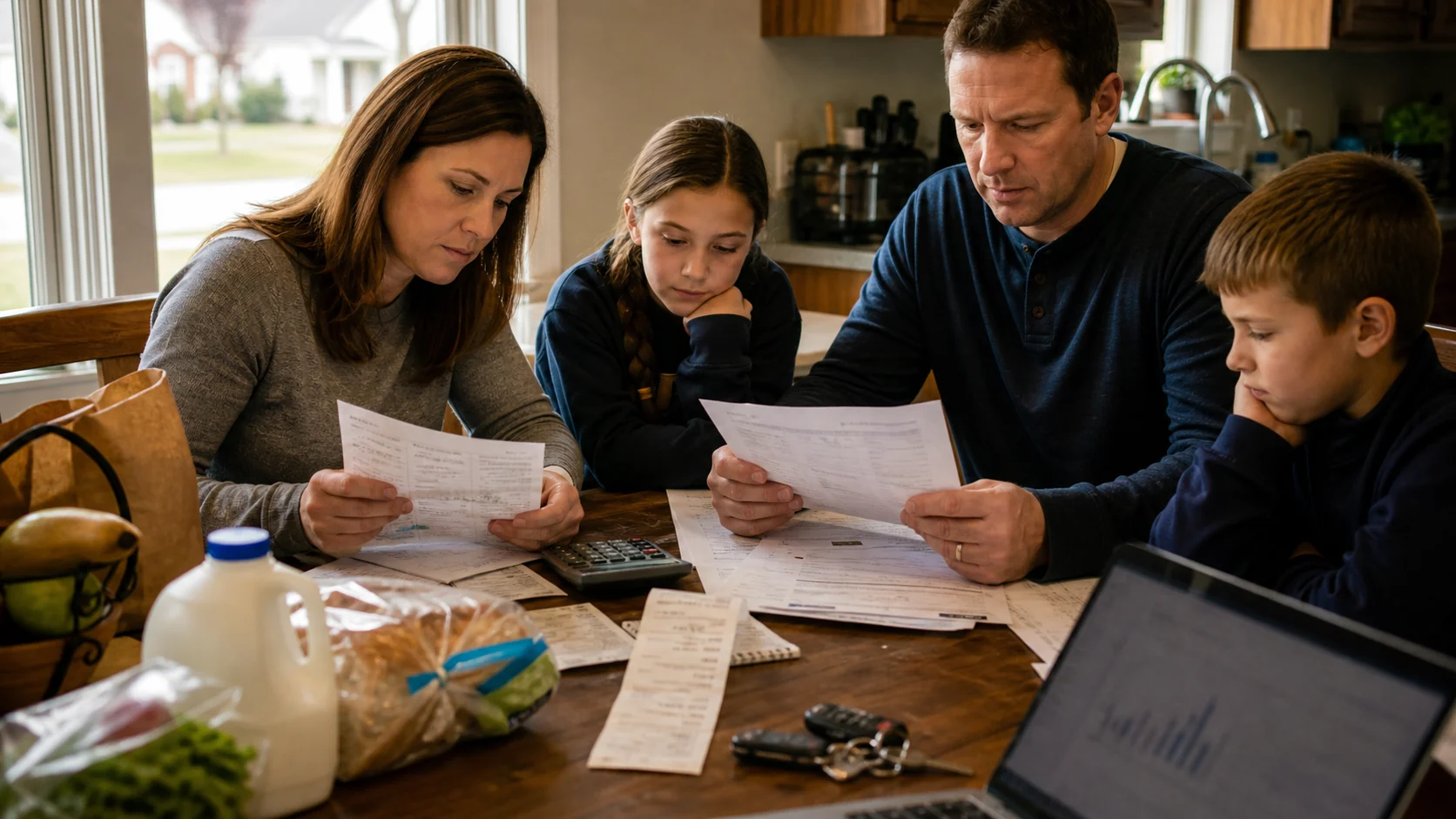
A home is more than a line in a family budget. It is where children learn their routines, where grandparents visit, where neighbors become friends, and where a family starts to feel rooted in a community. For too many families, though, the question has become painfully practical: can we still afford to live near the people, jobs, schools, churches, and neighborhoods that matter to us?
Elizabeth Sparks-Holmes believes housing pressure should be discussed honestly in Missouri's 2nd Congressional District. The St. Louis region has advantages that many parts of the country have lost. Communities here still offer strong neighborhoods, good schools, local employers, small businesses, churches, civic organizations, parks, and the kind of community life families want. But those advantages do not erase the pressure families feel when interest rates are high, insurance and utility costs rise, building costs stay elevated, and starter homes become harder to find.
Sparks-Holmes is not promising that Washington can solve every housing problem. It cannot, and it should not try to run every local zoning meeting from a federal desk. Housing is local by nature. Different communities need different solutions. What works in a growing suburb may not be the right answer for a rural community, an older neighborhood, or a town trying to keep young families from leaving.
But Congress can still make housing easier or harder. Federal spending, inflation, interest rates, insurance pressures, lending rules, infrastructure delays, labor shortages, and environmental or permitting requirements can all shape whether a family can buy, rent, build, renovate, or stay. Sparks-Holmes believes the federal role should be practical, limited, and focused on removing barriers rather than dictating one-size-fits-all answers.
The first part of a serious housing approach is responsible spending. Families understand that inflation and high borrowing costs change what they can afford. They feel it when a mortgage payment rises, when a landlord passes along higher costs, or when a home repair gets delayed because materials and labor are expensive. Sparks-Holmes says Washington should take seriously the connection between federal choices and family budgets. If families must live within limits, government should show the same discipline.
The second part is supply. Families cannot buy homes that do not exist, and workers cannot live near jobs if communities do not have enough practical housing options. That does not mean replacing local decision-making with federal mandates. It means helping communities remove unnecessary barriers, improve infrastructure where growth is appropriate, support responsible redevelopment, and encourage housing that fits the character and needs of the area.
The third part is workforce. Missouri needs more skilled tradespeople: electricians, plumbers, carpenters, HVAC technicians, roofers, inspectors, equipment operators, and construction workers who can build and maintain homes. A housing conversation that ignores workforce training is incomplete. Sparks-Holmes believes high schools, community colleges, unions, employers, trade programs, and apprenticeship pathways should all be part of the answer. Young people should know that building, repairing, and improving homes is honorable work that can support a family.
The fourth part is infrastructure. Housing does not happen in isolation. Roads, water, sewer, stormwater, broadband, schools, and public safety all shape whether growth works. When infrastructure lags behind, residents get frustrated and local governments become cautious. A useful member of Congress can help communities compete for fair infrastructure funding, coordinate agencies, and cut delay so local plans do not get stuck in a federal maze.
Sparks-Holmes also believes seniors must be part of the housing discussion. Some older residents want to stay in the homes where they built their lives, but rising taxes, insurance, maintenance, and utility costs can make that difficult. Others want to downsize but cannot find the right option nearby. Housing policy should respect seniors who want independence, families who want roots, and young workers who want a fair chance to start.
This is a Republican-friendly issue because it is built around responsibility, local control, work, ownership, and family stability. Homeownership should not be treated as a luxury for people who already have family wealth. It should remain a realistic goal for people who work hard, save carefully, and want to invest in a community.
Missouri families do not need housing slogans. They need public officials who understand why a starter home matters, why a monthly payment can decide a family's future, why builders and local governments need predictable rules, and why communities should be able to grow without losing their identity. Sparks-Holmes says that is the kind of conversation she wants to bring to Washington: practical, respectful, and focused on whether families can still build a life here.
In the end, housing is about more than construction. It is about belonging. It is about whether young families can stay close to grandparents, whether workers can live near jobs, whether seniors can remain independent, and whether communities can welcome growth without being overwhelmed by it. Elizabeth Sparks-Holmes believes Missouri's 2nd District deserves a representative who treats that challenge with the seriousness it deserves.