Synthetic Opioids Hidden in Plain Sight
June 17, 2026, 2:52 p.m.
Missouri agencies are warning about nitazenes, a dangerous synthetic opioid increasingly detected in the state. Elizabeth Sparks-Holmes says families need enforcement, prevention, mental health, education, and accountability.
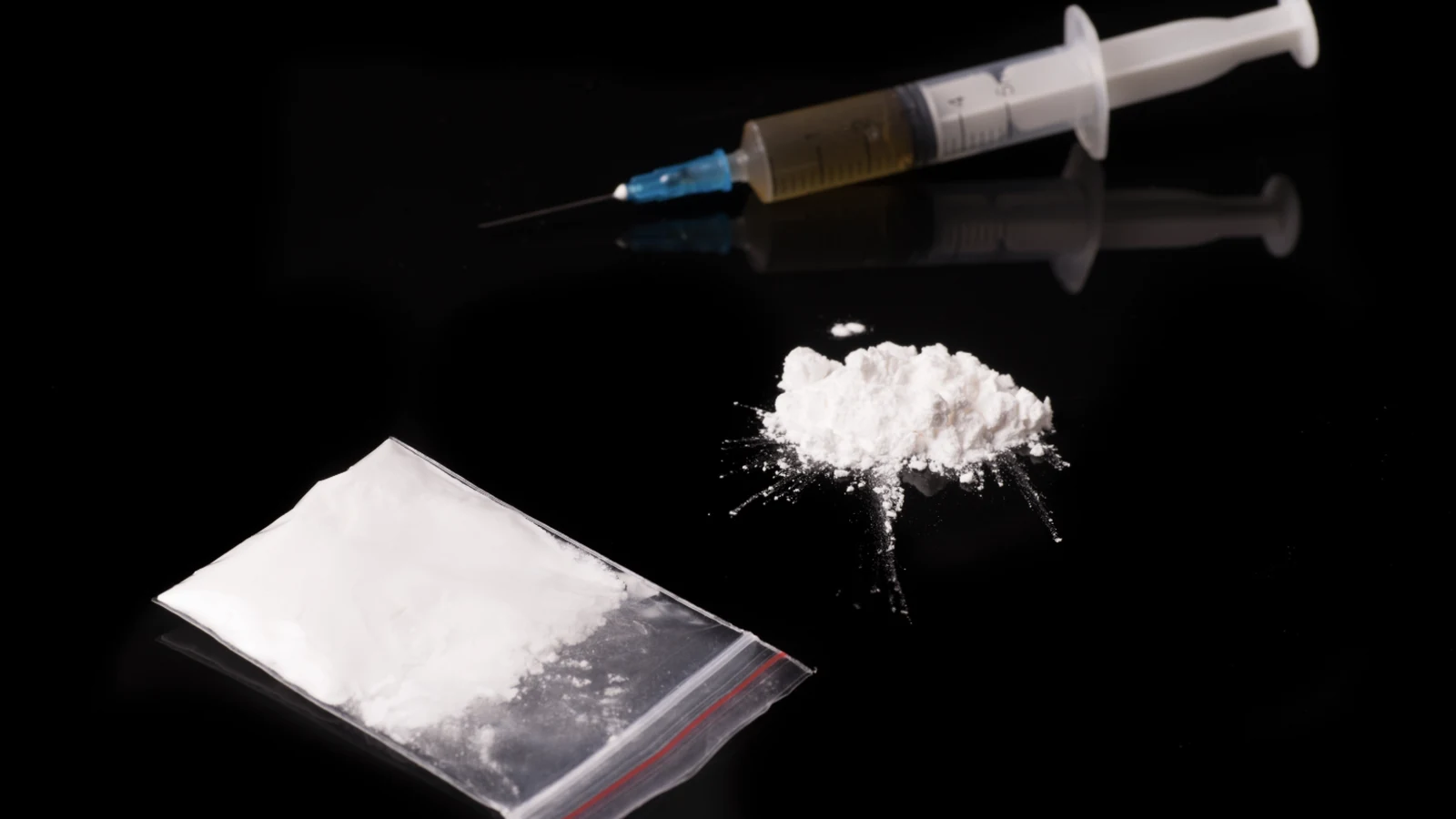
Public safety is changing in ways many families never expected.
It is still about safe streets, strong law enforcement, victims' rights, and accountability. But it is also about counterfeit pills that look legitimate, unregulated vapes that may contain hidden drugs, synthetic opioids that can kill in tiny amounts, and parents who may not know what threat is already moving through their communities.
Elizabeth Sparks-Holmes has made safe communities, mental health, people in crisis, second chances, law enforcement support, and accountable service central parts of her campaign. Her public safety message is strongest when it is practical: protect families, respect law enforcement, support victims, confront addiction and mental health honestly, and reduce the revolving door that keeps hurting communities.
That practical approach is exactly what Missouri needs as state agencies warn about nitazenes, an emerging class of synthetic opioids. In March 2026, the Missouri Department of Health and Senior Services issued a health advisory warning that nitazenes are increasingly found in counterfeit pills, powders, vapes, unregulated cannabis products, and other illicit substances, often without users knowing. The department said some nitazene analogues are more than five to 10 times more potent than fentanyl and that even tiny quantities can create a high risk of fatal overdose.
This is not a faraway issue. Missouri's school wastewater testing program detected nitazenes in 26 of 37 participating schools, according to the DHSS advisory. The same advisory said the voluntary testing program was launched in 2025 and is led by the Missouri Department of Public Safety, with coordination among state agencies and school communities.
For parents, that should be a wake-up call. It does not mean every student is using drugs. It does mean dangerous substances are close enough to school communities that families, educators, law enforcement, and health officials cannot afford to be passive.
Spectrum News reported that Missouri agencies were warning the public after the detection of nitazenes in school wastewater testing, and noted that 26 of 37 participating schools had tested positive. The report also highlighted state guidance urging families to talk with children and teens about counterfeit pills, illicit substances, unregulated vapes, naloxone, and treatment resources.
The awareness gap is just as concerning as the drug itself. Washington University in St. Louis reported in April 2026 that most St. Louis-area adults surveyed were unaware of nitazenes, even though they showed strong support for monitoring once informed. The WashU report said only 12% of respondents had heard of nitazenes, while 77% supported testing in schools once informed.
That is where leadership matters. Families cannot respond to a threat they have never heard of. Schools cannot educate parents if information is slow or unclear. Law enforcement cannot disrupt the supply chain effectively without coordination. Health providers and first responders need tools and training. Communities need honest communication without panic.
Missouri's overdose problem has already taken too many lives. The Missouri Department of Health and Senior Services says drug overdose is the number one leading cause of death among adults ages 18 to 44 in the state, and that more than 70% of overdose deaths involve opioids. There has been meaningful progress: Spectrum News reported in October 2025 that Missouri overdose deaths declined 26% between 2023 and 2024, while the St. Louis region declined from 757 deaths to 447. But the same report cautioned that nearly 1,500 lives were still lost statewide and that opioid overdose deaths remained a leading driver of drug-involved deaths in Missouri.
That is the right balance: recognize progress, but do not declare victory too soon.
Sparks-Holmes' public safety approach should speak directly to this moment. Missouri does not need a false choice between enforcement and compassion. It needs both. Drug traffickers and criminal networks pushing deadly substances should face serious consequences. Families need prevention and clear information. Schools need support, not blame. First responders need naloxone access and training. People struggling with addiction need realistic treatment pathways. Parents need to know what counterfeit pills and dangerous vapes can do. Communities need a representative who treats this issue as urgent before more families are devastated.
This is also a mental health issue. Addiction, depression, anxiety, trauma, isolation, and crisis often overlap. Sparks-Holmes has said people facing mental-health challenges should not feel alone, and that message is especially important when public safety meets family crisis.
A serious federal response should focus on five practical goals.
First, strengthen interdiction and prosecution against traffickers moving synthetic opioids and counterfeit pills into American communities.
Second, improve coordination among federal law enforcement, state agencies, schools, local police, public health officials, and first responders so warnings move quickly.
Third, support parent and student education that is direct, age-appropriate, and honest about counterfeit pills, vapes, and hidden synthetic opioids.
Fourth, protect access to naloxone and make sure first responders, schools, libraries, and community partners know how to use it.
Fifth, demand accountability for opioid settlement dollars and federal grants so money reaches prevention, treatment, recovery, law enforcement, and community safety efforts that can show results.
That is not soft on crime. It is serious about saving lives. It recognizes that public safety is strongest when consequences are real, prevention is early, information is clear, and families are not left alone after tragedy strikes.
Missouri families deserve leaders who see the threat clearly and respond with common sense. Elizabeth Sparks-Holmes is right to connect safe communities with mental health, accountability, second chances, and responsive service. The synthetic opioid crisis proves why those issues cannot be separated.
A safe community is not only one where crime is punished after the fact. It is one where parents are informed, schools are prepared, first responders are equipped, law enforcement is respected, and families have somewhere to turn before a crisis becomes a funeral.
That is the public safety standard Missouri deserves.