Safer Roads and Better Basic Infrastructure Should Be a No-Brainer
June 11, 2026, 8:41 a.m.
Sparks-Holmes says practical infrastructure should focus on safety, congestion, bridges, local coordination, and projects people can actually see in their communities.
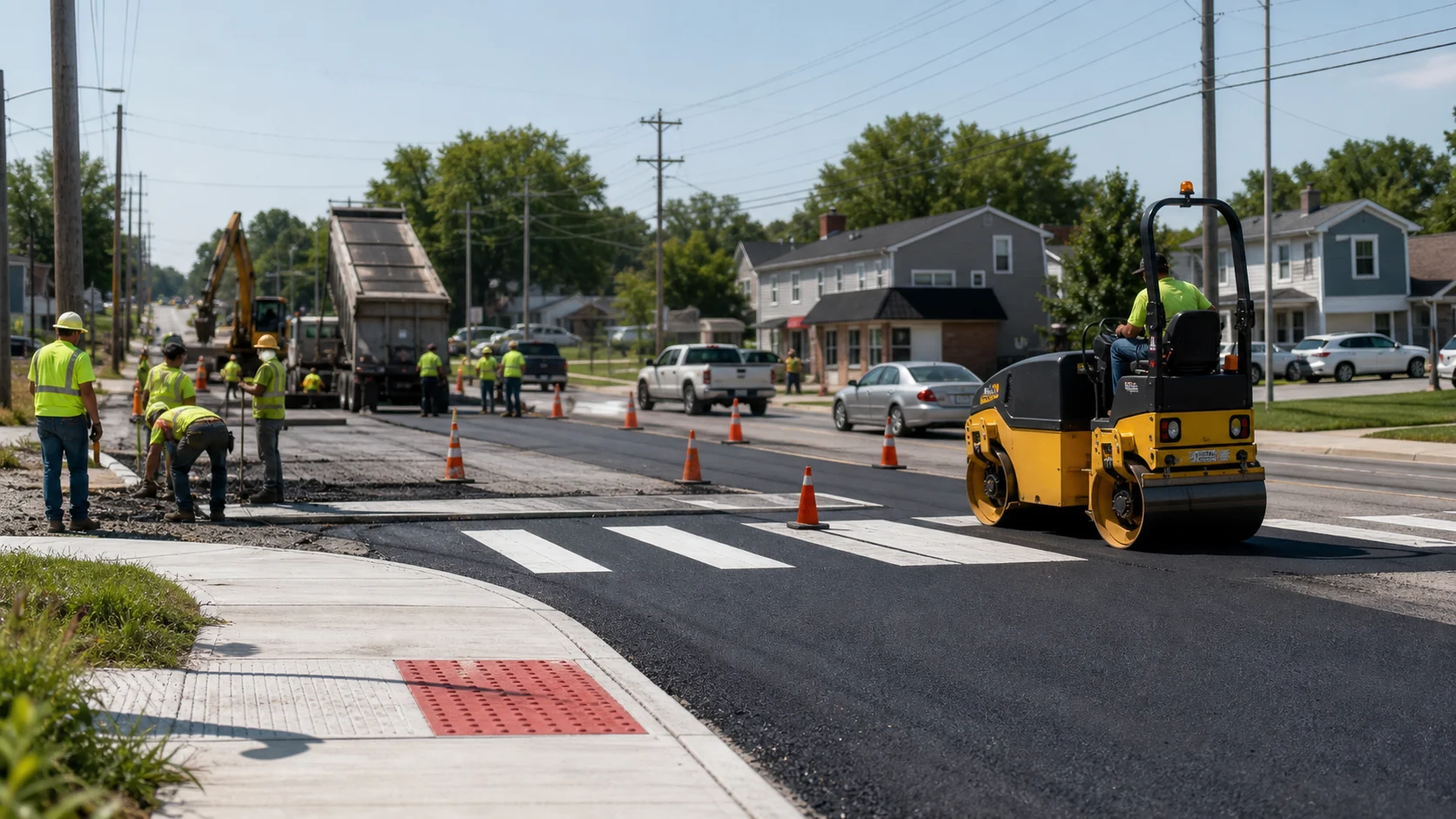
Some issues become complicated because politicians want them to sound complicated. Basic infrastructure should not be one of them. People in Missouri's 2nd Congressional District know when a road is unsafe, when an intersection is confusing, when a bridge needs attention, when a commute is taking longer than it should, or when a growing community is still waiting for public investments to catch up with daily life.
Elizabeth Sparks-Holmes believes safer roads and better basic infrastructure are exactly the kind of work a member of Congress should take seriously. Not every local problem is a federal issue, and not every project should be controlled from Washington. But a congressional representative can be useful by helping local governments compete for fair funding, cutting red tape that slows good projects, pushing agencies to coordinate, and making sure federal transportation dollars are tied to safety, accountability, and visible results.
The need is easy to understand in fast-growing parts of the region. St. Charles County has spent years dealing with growth, commuter traffic, safety concerns, and the need for road capacity that keeps up with families and employers. County materials have noted substantial local investment in roads that are part of the broader state transportation network. MoDOT has also identified specific safety and operational projects in the area, including improvements along Route 67 intended to reduce crash risk, improve intersections, and make the corridor work better for drivers.
Those details matter because infrastructure is not an abstract promise. It is the left turn that makes parents nervous. It is the bridge a small business depends on to deliver equipment. It is the road a nurse takes before sunrise. It is the route a sheriff's deputy, firefighter, or ambulance crew needs when minutes matter. It is the intersection where a teenager learns to drive and the corridor a worker uses to reach a job on time.
Sparks-Holmes says a practical infrastructure agenda should begin with safety. Federal dollars should prioritize projects that reduce serious crashes, fix dangerous intersections, improve lighting and sightlines, strengthen bridges, and make roads more predictable for drivers. That kind of work is not partisan. It is one of the basic responsibilities people expect from government at every level.
The second principle is coordination. Families do not care whether a road is local, county, state, or federal when they are stuck in traffic or worried about safety. They just know it needs attention. A representative who shows up should be willing to bring local officials, state transportation leaders, first responders, business owners, and residents into the same conversation. That does not mean promising every project at once. It means making priorities clear, understanding the safety data, and helping communities move serious projects through the process.
The third principle is transparency. Sparks-Holmes believes taxpayers should be able to see what is being promised, what is funded, what is delayed, and who is responsible for the next step. Too often, people hear about infrastructure only when a campaign wants credit or when construction causes frustration. A better approach would give residents plain-language updates: what problem is being solved, what the project costs, how it is funded, when work is expected, and how the public can raise concerns before decisions are final.
The fourth principle is growth that makes sense. Roads and bridges are not just concrete and asphalt. They are economic assets. When infrastructure works, small businesses can move goods, workers can reach jobs, families can reach schools and medical care, and communities can grow without losing the quality of life that drew people there in the first place. When infrastructure falls behind, growth becomes frustrating, safety suffers, and residents begin to feel that government is reacting late instead of planning ahead.
Sparks-Holmes also believes infrastructure should include the basics people sometimes overlook until they fail: drainage, stormwater planning, broadband access where gaps remain, safe routes near schools, and reliable access for emergency services. These are not flashy issues, but they are the kind of details that decide whether a community feels well managed.
The federal role should be disciplined and practical. Sparks-Holmes is not calling for blank checks or political wish lists. She is calling for a representative who understands the district, listens to local leaders, follows the data, fights for fair funding, and demands that projects be delivered with accountability. That is different from treating infrastructure as a slogan. It treats infrastructure as service.
In the Show Me State, people want proof. They want safer intersections, smoother commutes, maintained bridges, responsible spending, and projects that solve real problems. Sparks-Holmes says that is the standard she would bring to Washington: start with what families and local employers actually use, push for results people can see, and never forget that basic competence is one of the strongest promises a public servant can make. That standard is practical, measurable, and overdue.