Seniors and Caregivers Deserve Dignity, Answers, and a Representative Who Shows Up
June 17, 2026, 2:51 p.m.
Elizabeth Sparks-Holmes says senior care is not a talking point. It is a family issue, a workforce issue, and a test of whether Washington listens before families reach a crisis.
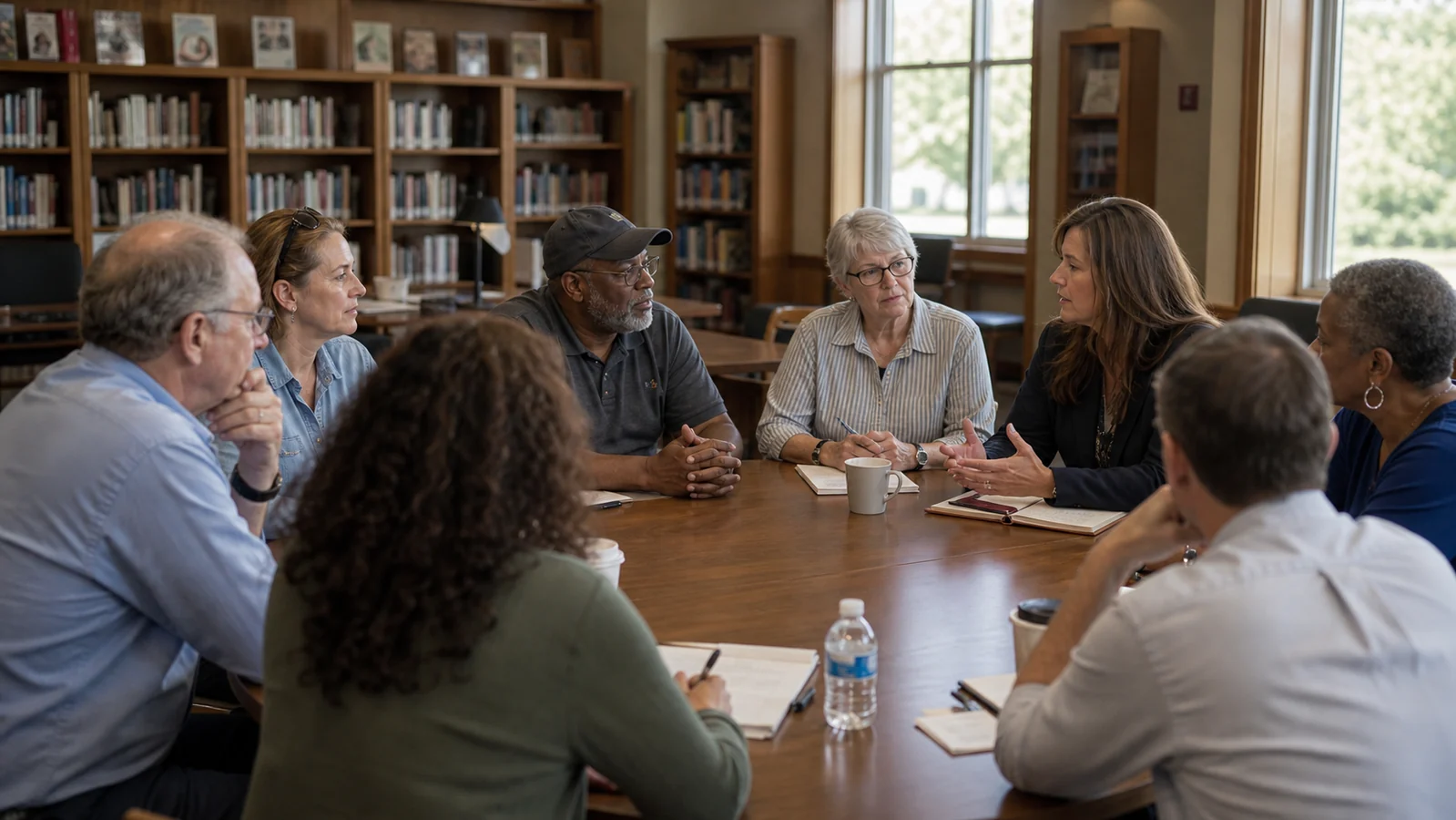
For many Missouri families, the hardest conversation in the house is not about politics. It is about care. It is the daughter trying to help an aging parent stay safe at home. It is the husband learning how to manage appointments, medication, insurance calls, and daily worry after a diagnosis changes everything. It is the adult child who wants to do right by mom or dad but cannot get a clear answer from a facility, an agency, an insurer, or a distant office that seems built to wear families down.
Elizabeth Sparks-Holmes believes senior care should be treated with more seriousness and more humanity. In Missouri's 2nd Congressional District, the issue reaches across party lines because it reaches into real families. Seniors want independence and dignity. Caregivers want guidance and relief. Families want transparency when a loved one enters a nursing home or assisted-living setting. Veterans want systems that do not make them fight twice for benefits they earned. People facing dementia, depression, isolation, disability, or crisis need help that is timely and understandable.
Sparks-Holmes' message is simple: the people closest to the problem should not be the last people heard. Caregivers and seniors deserve a representative who listens directly, follows up, and knows the difference between a press-release promise and a phone call that actually gets returned.
Missouri has formal long-term-care oversight structures and an ombudsman system meant to help residents and families raise concerns. Those systems matter, but a family in distress should not need to become an expert in government paperwork to be treated with respect. A good congressional office cannot replace doctors, state inspectors, local advocates, or legal counsel, but it can take constituent service seriously. It can help people understand where to turn. It can push federal agencies to respond. It can watch whether federal rules are creating more confusion than protection. It can use public attention to insist that seniors are not invisible.
The workforce side of the issue also deserves honesty. Long-term care, home health, hospice, mental-health support, and disability services all depend on people willing to do difficult work. Families know the names of the aides, nurses, therapists, drivers, volunteers, and staff members who show up when life is fragile. Many of those workers are stretched thin. Some facilities struggle to recruit and retain staff. Families see the result when calls go unanswered, visits feel rushed, or a loved one waits too long for help.
Sparks-Holmes believes Washington should stop pretending that every care problem can be solved by one more layer of bureaucracy. The better approach is practical: strengthen the care workforce, improve transparency for families, support responsible oversight, protect seniors from neglect and abuse, reduce unnecessary paperwork where it blocks service, and make sure federal dollars meant for care are reaching the people they are supposed to help.
That approach fits the way Sparks-Holmes talks about public service. She is not running to make government louder. She is running to make it more responsive. Senior care is exactly where responsiveness matters. A family in crisis does not need a speech. It needs a person who will listen, understand the facts, respect privacy, and help identify the right path forward.
There is also a moral dimension to the issue. A community is judged by how it treats people who are aging, isolated, vulnerable, grieving, confused, or overwhelmed. That does not mean government should take over every family decision. It means public officials should remember that many families are already carrying heavy responsibilities with love, sacrifice, and very little attention from Washington.
Sparks-Holmes says the district deserves a representative who will hold listening sessions with seniors, caregivers, veterans, health professionals, and family advocates; who will ask nursing-home and eldercare questions in plain English; who will support transparency without demonizing good workers; and who will keep constituent service at the center of the job.
For Missouri families, senior care is not abstract. It is a kitchen-table issue. It is a budget issue. It is a dignity issue. It is a mental-health issue. It is a workforce issue. And when a family is trying to protect someone they love, it becomes the only issue that matters. Elizabeth Sparks-Holmes is making clear that those families should not have to feel alone.